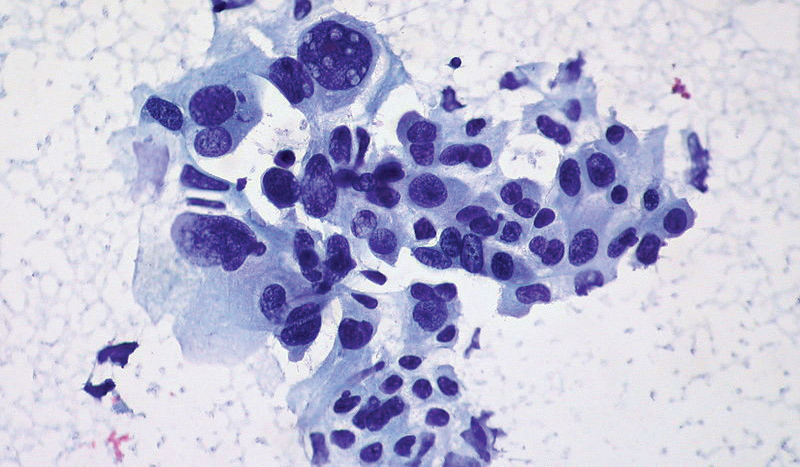
The War on Cancer has been a particularly long, drawn-out one ever since the National Cancer Act was put into legislation by then U.S. President Richard Nixon. While we attempt to reveal the mechanisms that sustain the uncontrolled growth of cancer cells, the biology of cancer constantly changes and adapts to evade our treatment modalities. The discovery of imatinib, which is a tyrosine kinase inhibitor (TKI) and treats a subset of chronic myelogenous leukaemia, heralded a new generation of drugs that would specifically target cancer cells and reduce toxicity to normal cells. Erlotinib and gefitinib are two epidermal growth factor receptor (EGFR) TKI’s that have been developed for the treatment of patients with EGFR-mutation-expressing non-small cell lung carcinoma. However, in recent years, resistance to EGFR TKIs has been described in the literature. While the promise of a new treatment modality has been short-lived, this has also sparked interest and research efforts to understand the mechanisms of resistance to EGFR TKIs in a bid to discover strategies to overcome them and to further drug development. Well studied mechanisms include T790M mutation, loss of balance in the PI3K/Akt/mTOR pathway and MET amplification amongst many others. This article reviews the current literature regarding various mechanisms of resistance to EGFR TKIs and their potential for translation into new therapeutic agents and treatment strategies.
Background
 One famous discovery of a targeted drug treatment is imatinib, a tyrosine kinase inhibitor (TKI) used to treat a subset of chronic myelogenous leukaemia expressing the Philadelphia chromosome. This discovery has triggered a series of research efforts, shedding light on topics such as tumourigenesis and cell signaling pathways, leading to the development of many new drugs which target these specific mechanisms. However, it has been documented that resistance to these drugs can develop, therefore reducing their treatment potential [1,2] This is also true for a similar group of TKIs known as epidermal growth factor receptor (EGFR) inhibitors, which have been used as part of the treatment regime for a subgroup of lung cancer patients with non-small cell lung carcinoma. This article will review the mechanisms of intrinsic and acquired resistance to EGFR inhibitors and strategies to overcome them.
Introduction to EGFR inhibitors
The work of Stanley Cohen and Rita Levi-Montalcini in Epidermal Growth Factors has revolutionized cancer research and treatment, having been awarded the 1986 Nobel Prize for Medicine. [3] Their work has triggered further research, eventuating into the approval of gefitinib in 2003 and erlotinib in 2010 by the Food and Drug Administration (FDA) for use in patients with NSCLC. [4-6]
The overexpression and over-activation of EGFR (independent of any ligands) has been found to be involved in the tumour progression of many different types of cancers. [7] Aberrant activation of this oncogene leads to a cascade of complex downstream signaling that contributes to tumourigenesis. [8] The understanding of EGFR’s role in tumourigenesis assisted in the development of gefitinib and erlotinib as first generation TKIs to target and block EGFR activity to retard cancer growth. They bind reversibly to the ATP binding pocket of EGFR, preventing receptor phosphorylation and subsequent downstream intracellular signaling. [6,8] There is evidence to suggest that EGFR TKIs have led to significant extension of progression-free survival as a second or third line treatment in patients with advanced NSCLC with positive EGFR status. [6,9,10] Promising results have also emerged in recent years for the use of EGFR TKIs as first line treatment for NSCLC patients exhibiting EGFR mutations in Phase III trials. [10-13]
Lung cancer is the 5th most commonly diagnosed cancer in Australia with poor 5-year survival rates of around 14%. [14] Specifically, NSCLC accounts for 60% of all cases of lung cancer. [15] According to the guidelines for lung cancer treatment in Australia, the role of EGFR TKIs (erlotinib), remains primarily in the treatment of Stage IV inoperable NSCLC. [16] It is not recommended for first-generation EGFR TKIs like gefitinib or erlotinib to be used in combination with standard chemotherapy regimens. Erlotinib plays more of a role as a first-line maintenance therapy after standard chemotherapy, as a second-line therapy instead of chemotherapy or as a third-line therapy after having failed two lines of treatment and for patients with poor performance status.
In 2010, Jackman et al. proposed a definition of acquired resistance to EGFR inhibitors to help standardize investigations into this topic. [17] They have found that about 70% of NSCLC patients with positive EGFR mutation status will experience tumour regressions whilst on either gefitinib or erlotinib. However, most initial responders develop acquired resistance to EGFR TKIs, [6] usually occurring about after 12 months of treatment. [18,19] Therefore, much effort has been dedicated to understanding and rediscovering the different mechanisms of EGFR inhibitor resistance-both intrinsic and acquired-in order to develop strategies to overcome them.
Areas of interest
There are numerous hypotheses as to how NSCLC patients develop resistance to EGFR TKIs. However, mechanisms of EGFR TKI resistance that have been more extensively studied and show the most potential for translation into clinical practice will be highlighted in this article.
T790M – The ‘gatekeeper mutation’
The mechanism of resistance that is most commonly identified in recent work is an acquired mutation in the EGFR gene at position 790 (T790M) in exon 20. This involves a threonine to methionine substitution and it is present in 50% of patients with acquired resistance to EGFR TKIs. [6,7,9,20] This substitution mutation causes steric interference with the binding of EGFR TKIs to the ATP binding site. [21] It is also hypothesized that this mutation leads to increased ATP affinity, conferring drug resistance. [6,21] This allows for phosphorylation of EGFR despite the administration of TKIs due to its restored affinity for ATP, allowing the cancer cell to grow unchecked once again with the restoration of EGFR activation. Of interest, some studies have found T790M mutations occurring at low frequency in the germ line of TKI-naive patients, [6,22,23] indicating potential intrinsic resistance. This mutation can also be found in NSCLC patients expressing wild-type EGFR before treatment, possibly explaining that the T790M mutation may be a contributing factor to intrinsic resistance to TKIs. [7]

Loss of PTEN expression and PIK3CA mutation in the PI3K/Akt/mTOR pathway
A complex network of signaling pathways interacting via various molecules are involved in cancer cell growth independent of EGFR activity. These signaling pathways are usually downstream of an EGFR and can potentially bypass loss of EGFR activation due to administration of TKIs such as gefitinib and erlotinib. One important pathway is the PI3K/Akt/mTOR signaling pathway. Sustained activation of Akt can potentiate resistance to chemotherapy and radiotherapy in general. [24,25] For EGFR-expressing NSCLC patients, Akt is strongly activated to maintain the survival of cancer cells. Activation of Akt always involves membrane recruitment for phosphate transfer. This is regulated positively by phosphoinositol-3-kinase (PI3K) and negatively by phosphatase and tensin homologue (PTEN), a tumour suppressor gene product. Therefore, loss of PTEN expression, via a deletion on chromosome 10, leads to uncontrolled phosphate transfer and activation of Akt, which is commonly observed in NSCLC patients with EGFR TKI resistance. [7,26] On the other hand, a PI3K catalytic alpha (PIK3CA) oncogene mutation is also observed in a small minority of advanced NSCLC patients. [27] This mutation enhances the positive regulation of the pathway via PI3K, thereby leading to heightened activation of Akt. As it is noted that PIK3CA mutations are commonly found in treatment naive lung adenocarcinoma [6] with concurrent driver mutations in EGFR, KRAS or BRAF, PIK3CA mutation is likely to be a secondary, acquired mutation contributing to resistance. [28] By targeting these mechanisms, a patient’s response to EGFR TKIs can potentially be restored.
Insulin-like growth factor 1 Receptor – Parallel EGFR independent pathway
Like EGFR, Insulin-like growth factor 1 receptor (IGF-1R) is a tyrosine kinase that can trigger similar downstream signaling events. Blockade of EGFR pathways with TKI administration has led to compensatory or adaptive upregulation of downstream signaling via the IGF-1R pathway which eventually leads to sustained activation of the PI3K/Akt/mTOR pathway. [29] Gefitinib-resistant cancer cells are also found to have reduced expression of IGF binding proteins, [8] which modulates the activity of IGF-1R by binding to IGF ligands such as IGF-1 and IGF-2. Loss of these binding proteins leads to higher levels of IGF-1 and IGF-2, which increases constitutive activation of the IGF-1R tyrosine kinase and its downstream targets.

MET pathway amplification
EGFR is an important member of a class of four ErbB receptor tyrosine kinases – EGFR/HER1/ErbB1, HER2/ErbB2, HER3/ErbB3 and HER4/ErbB4. Dimerization of any two of this class of receptors (homodimerization or heterodimerization) will lead to phosphorylation and eventual downstream signal cascade. MET (Mesenchymal- Epithelial Transition) is a receptor tyrosine kinase that binds to hepatocyte growth factor (HGF) and is found to undergo amplification in the presence of TKIs. The extensive crosstalk between the HGF/ MET pathway and the PI3K/Akt/mTOR pathway strongly reactivates downstream signals through HER3/ErbB3 phosphorylation, resulting in similar downstream events as EGFR phosphorylation, despite TKI administration. [6,9,18,30] Another interesting observation is that both MET and EGFR have loci on chromosome 7 and EGFR mutation positive NSCLC patients commonly have polysomy of chromosome 7. [19,31] This could be a contributing factor to the presence of intrinsic resistance to EGFR TKIs as targeting EGFRs does not negate the effect of co-existing MET amplification on the PI3K/Akt pathway.

Others
The vascular endothelial growth factor (VEGF) pathway, which plays a key role in angiogenesis, is another signaling pathway that can be targeted. This is based on the principle that multiple oncogenic targets can contribute to the malignant phenotype. By targeting multiple oncogenic targets, such as inhibition of both EGFR and VEGF, it is hoped that this would circumvent development of resistance to EGFR TKIs, maintaining treatment efficacy. [32]
Sequist et al. observed that a histological transformation from NSCLC to small cell lung cancer (SCLC) can occur with TKI treatment. [33] This was found in 14% of EGFR-expressing NSCLC patients who have acquired EGFR TKI resistance. The significance of this is that the histological transformation has now given the patient a chance of a good response with standard SCLC chemotherapy regimens. More investigations regarding this are necessary to understand the mechanism of the transformation as it can potentially be a novel strategy for the treatment of NSCLC patients.
Novel Therapies being investigated to overcome EGFR TKI resistance
2nd Generation Irreversible Tyrosine Kinase Inhibitors
Through understanding how the T790M mutation changes binding of first generation TKIs to EGFR, second generation irreversible TKIs have been developed and are being investigated in various trials. These second generation TKIs such as neratinib and afatinib bind irreversibly to the ATP binding site of EGFR via the formation of a covalent bond. They have been shown to be able to overcome T790M driven acquired resistance. [6,34,35] Also, these TKIs can target not only EGFR/HER1 tyrosine kinase receptors, but also other members of the same class that potentiate similar downstream signaling. For example, afatinib targets EGFR/ErbB1 and ErbB2 tyrosine kinase receptors. [35] Dacomitinib is shown to be a pan-HER TKI, targeting all members of the same class, and is found to be effective against tumours harbouring T790M mutations, however, phase III trials have yet to be completed. [20,36] There are also concerns regarding the higher toxicity profile of these drugs with a narrower therapeutic window. Work on third generation EGFR TKIs are also in progress, binding covalently to the ATP site of mutant EGFR with particular specificity to the T790M mutant. [6,37]
Specific T790M inhibitors
A new class of drug that specifically targets and inhibits the T790M mutant has also been developed. [38] It is thought that targeting cancer cells which have the mutation would spare cells without the mutation and therefore remain susceptible to TKIs. Hence, mutated cancer cells with acquired resistance to TKIs can now be targeted, and the efficacy of TKIs on TKI-susceptible cancer cells is maintained.
Altering the PI3K/Akt/mTOR pathway
There is great promise in creating drugs to target this pathway as we know that levels of molecules involved in signal transduction are tightly regulated by multiple factors via many interactions. However, because this pathway is present in both cancer cells and many normal cells as well, there are concerns that drugs which alter its activity would result in pharmacological toxicities. PI3K (LY294002) and Akt inhibitors are currently being studied both as a monotherapy and as a concurrent treatment with EGFR TKIs. [39]
Another drug that has been used with great experience as an immunosuppressive agent, everolimus, is being studied for its effect on advanced NSCLC. [40] Another PI3K/mTOR inhibitor, XL765, is currently undergoing early phase trials against erlotinib alone and in combination with erlotinib. [41]
MET receptor – inhibiting amplification
Observation of the crosstalk between the HGF/MET and PI3K/AKT/ mTOR pathways has led to the hypothesis that co-administration of MET inhibitors can restore sensitivity to EGFR TKIs in resistant tumours displaying MET amplification. [42,43] In a phase II randomized trial, progression free survival (PFS) was higher when erlotinib was given with tivantinib (an agent targeting the MET receptor) as compared to erlotinib given with placebo. [44] Although this finding was not statistically significant, phase III trials are currently ongoing to explore its efficacy and related toxicities. [45]
Onartuzumab, an anti-MET receptor monoclonal antibody has shown increased PFS and overall survival when given with Erlotinib as compared to placebo. [46]
A phase I study of cabozantinib (XL184), a drug which targets both VEGF and MET receptors, has shown promise after preliminary analysis. [9]
Others
Multiple targets with great potential are currently being investigated. Blockade of IGF-1R receptors with antibodies or molecular substrates can potentially alter downstream signaling that promotes cancer growth. [29] This can also be achieved by administration of recombinant IGF binding proteins to reduce circulating levels of IGF-1R ligands. Inhibition of the nuclear factor κB pathway is also of particular interest.
Different approaches to the treatment of EGFR positive NSCLC patients
Sensitizers
With the observation of histological transformation as a mechanism of acquired resistance to overcome EGFR inhibition, [37] it is hypothesized that under the therapeutic stress of EGFR TKIs, the cancer cells can be encouraged to adopt this resistance mechanism and transform from a NSCLC to SCLC. Administration of EGFR TKIs can then ‘sensitize’ the cancer cells to be susceptible to platinum and etoposide based chemotherapy (standard regimen for SCLC), that would otherwise be ineffective for NSCLC.
Alternating Treatment/Different Dosing
A review by Oxnard [37] has found that although some cancer cells can acquire the T790M mutation in the presence of a EGFR TKI, this mutation becomes undetectable after a period of discontinued EGFR TKI therapy. It is explained that the T790M mutation causes suboptimal growth profile in the absence of EGFR TKIs and therefore through the notion of ‘survival of the fittest’, they are removed from the cancer population when EGFR TKIs are discontinued. This dynamic change in cancer cell profile now allows the cancer to once again be susceptible to EGFR TKI treatment. Thus, there is a biological rationale to create a dosing schedule with intervals of EGFR TKI treatment and intervals without. This would hopefully maximize cancer cell kill and improve patient outcomes.
Combination/Polytherapy
There is a lot of potential in targeting specific parts of the complex signaling network in cancer treatment, but this runs the risk of the development of acquired resistance via compensatory pathways. Therefore, a different approach of combining multiple drugs targeting different receptors and different parts of the signaling pathway at the same time may provide a synergistic effect in limiting cancer cell growth. This can be achieved with various classes of drugs such as TKIs, downstream signal molecule inhibitors, monoclonal antibodies targeting receptors involved, immunosuppresants such as everolimus and even chemotherapy. However, trials do require adequate time, participants and investments. More effort and investigation must be performed before the best combination can be identified.
Selection of Patients
Demographically, it has been found in many articles that patients who are most likely to respond to EGFR TKIs are of Asian background (mainly Japanese), female, never-smokers and have NSCLC of the adenocarcinoma histology. [6,8,19,20,39] Presence of mutant KRAS is also found to be a strong predictor of lack of response to EGFR TKIs in NSCLC patients. [6,47,48] It is also discovered that low expression of nuclear factor κB inhibitor was predictive of poor clinical outcome for patients receiving erlotinib without a T790M mutation, indicating its potential in predicting response to EGFR TKI therapy. [18] PTEN inactivation is also a predictor of resistance to EGFR-family antagonists, implying that this subset of patients would not be amenable to long term EGFR TKI therapy. [39] These predictors not only enable us to select patients who are more likely to benefit from EGFR TKI therapy, but also help to prevent exposure of unnecessary toxicities to poor responders. With further validation of these predictors through studies, it might be even possible to develop a nomogram or scoring system to predict the success of EGFR TKIs in NSCLC patients.
Future Directions
As investigative techniques such as genotypic assessments, new assays, cell lineage tracing, chemical genomic profiling studies, next generation sequencing and proteomics develop, more information regarding tumorigenesis will be revealed. Ongoing research in other cancers may also provide insight to the pathogenesis of NSCLC. As more drugs are being released for clinical use, further research must be done to determine the short and long term side effect profiles of these drugs, whether used on their own or in combination. The fundamental principles of beneficence and non-maleficence should not be forgotten. No matter how novel or promising a drug can prove to be, its value for clinical application becomes limited when its toxicity profile causes more harm than good to patients.
It is also interesting to note that tumour signaling profiles are in a dynamic rather than static state. Mutations can be gained and lost, depending on patient’s biology, genetics and treatment received. This could mean that gathering information regarding the cancer may have to be a continuous activity rather than just prior to treatment. Patients may have to be regularly biopsied at different stages of chemotherapy or EGFR TKI treatment.
Knowing that every patient with NSCLC can have subtle differences in the biology of the cancer, future research may warrant the need to create a tumour bank where cancer cells are profiled and sequenced, both before and after treatment. This information will then be stored in a database where researchers can retrieve information from, and possibly access cell samples if required.
With the development of deep analytic systems such as the IBM supercomputer Watson, who is ‘learning’ about lung cancer at the Memorial Sloane-Kettering Cancer Centre, information from the tumour bank can be rapidly processed to generate meaningful data. Such information sharing will require an international effort, enhancing the development of targeted, higher-powered and multi-centred trials. This can drive down the high costs of drug discovery, reducing wastage of precious resources into unfruitful studies that seek to answer poorly formulated clinical questions.
Conclusion
The idealistic imagination of cancer cure will come in the form of personalized medicine where cancer cells are analyzed through a machine which puts together a concoction of molecules to create a single, simple tablet that will destroy the tumour entirely without side effects. As research becomes more focused into the little details of each signaling molecule in every pathway, the cumulative understanding of cancer will be heightened tremendously. The content and amount of research done is no doubt exciting and promising, but, as a clinician, our focus remains ultimately on the patient and not merely on the cancer.
Conflict of interest
None declared.
Correspondence
B Chua: bjchu2@student.monash.edu
References
References
[1] Breccia M, Alimena G. Resistance to imatinib in chronic myeloid leukemia and therapeutic approaches to circumvent the problem. Cardiovascular & hematological disorders drug targets. 2009 Mar;9(1):21-8. PubMed PMID: 19275574. Epub 2009/03/12. eng.
[2] Druker BJ, Guilhot F, O’Brien SG, Gathmann I, Kantarjian H, Gattermann N, et al. Five-year follow-up of patients receiving imatinib for chronic myeloid leukemia. The New England journal of medicine. 2006 Dec 7;355(23):2408-17. PubMed PMID: 17151364. Epub 2006/12/08. eng.
[3] The Nobel Foundation. The Nobel Prize in Physiology or Medicine 1986 – Award Ceremony Speech [Internet]. Stockholm, Sweden: Nobel Media AB; 1986 [cited 2013 18 August]. Available from: http://www.nobelprize.org/nobel_prizes/medicine/ laureates/1986/presentation-speech.html.
[4] U.S. Food and Drug Administration. Erlotinib [Internet]. Silver Spring, U.S.: U.S. Department of Health and Human Services; 2010 [updated 19 April 2010; cited 2013 18 August]. Available from: http://www.fda.gov/AboutFDA/CentersOffices/ OfficeofMedicalProductsandTobacco/CDER/ucm209058.htm.
[5] U.S. Food and Drug Administration. Questions and Answers on Iressa (gefitinib) [Internet]. Silver Spring, U.S.: U.S. Department of Health and Human Services; 2005 [updated 26 June 2013; cited 2013 18 August]. Available from: http://www.fda.gov/Drugs/ DrugSafety/PostmarketDrugSafetyInformationforPatientsandProviders/ucm110476.htm.
[6] Galvani E, Alfieri R, Giovannetti E, Cavazzoni A, La Monica S, Galetti M, et al. Epidermal growth factor receptor tyrosine kinase inhibitors: current status and future perspectives in the development of novel irreversible inhibitors for the treatment of mutant non-small cell lung cancer. Current pharmaceutical design. 2013;19(5):818-32.
[7] Chen Y-J. Mechanisms underlying resistance to epidermal growth factor receptor inhibitors in non-small cell lung cancer. Biological and Biomedical Reports. 2012;2(3):141-8.
[8] Wheeler DL, Dunn EF, Harari PM. Understanding resistance to EGFR inhibitors-impact on future treatment strategies. Nature Reviews Clinical Oncology. 2010;7(9):493-507.
[9] Dienstmann R, De Dosso S, Felip E, Tabernero J. Drug development to overcome resistance to EGFR inhibitors in lung and colorectal cancer. Molecular Oncology. 2012;6(1):15-26.
[10] Antonicelli A, Cafarotti S, Indini A, Galli A, Russo A, Cesario A, et al. EGFR-targeted therapy for non-small cell lung cancer: focus on EGFR oncogenic mutation. International journal of medical sciences. 2013;10(3):320-30.
[11] Mitsudomi T, Morita S, Yatabe Y, Negoro S, Okamoto I, Tsurutani J, et al. Gefitinib versus cisplatin plus docetaxel in patients with non-small-cell lung cancer harbouring mutations of the epidermal growth factor receptor (WJTOG3405): an open label, randomised phase 3 trial. The lancet oncology. 2010 Feb;11(2):121-8. PubMed PMID: 20022809. Epub 2009/12/22. eng.
[12] Maemondo M, Inoue A, Kobayashi K, Sugawara S, Oizumi S, Isobe H, et al. Gefitinib or Chemotherapy for Non–Small-Cell Lung Cancer with Mutated EGFR. New England Journal of Medicine. 2010;362(25):2380-8. PubMed PMID: 20573926.
[13] Mok TS, Wu Y-L, Thongprasert S, Yang C-H, Chu D-T, Saijo N, et al. Gefitinib or Carboplatin–Paclitaxel in Pulmonary Adenocarcinoma. New England Journal of Medicine. 2009;361(10):947-57. PubMed PMID: 19692680.
[14] Cancer Australia – Australian Government. Lung Cancer Statistics [Internet]. New South Wales: Cancer Australia; 2013 [updated 2 April 2013; cited 2013 18 August]. Available from: http://canceraustralia.gov.au/affected-cancer/cancer-types/lung-cancer/lung-cancer-statistics.
[15] Cancer Australia – Australian Government. Lung Cancer [Internet]. New South Wales: Cancer Australia; 2013 [updated 2 August 2013; cited 2013 18 August]. Available from: http://canceraustralia.gov.au/affected-cancer/cancer-types/lung-cancer.
[16] Cancer Council Australia Lung Cancer Guidelines Working Party. Clinical Practice Guidelines for the treatment of lung cancer [Internet]. New South Wales Cancer Australia; 2012 [updated 30 Jan 2014; cited 2014 3 Jun 2014]. Available from: http://canceraustralia. gov.au/about-us/news/new-clinical-guidelines-lung-cancer-treatment.
[17] Jackman D, Pao W, Riely G, Engelman J, Kris M, Jänne P, et al. Clinical definition of acquired resistance to epidermal growth factor receptor tyrosine kinase inhibitors in non-small-cell lung cancer. Journal of clinical oncology. 2010;28(2):357-60.
[18] Lin L, Bivona TG. Mechanisms of Resistance to Epidermal Growth Factor Receptor Inhibitors and Novel Therapeutic Strategies to Overcome Resistance in NSCLC Patients. Chemotherapy Research and Practice. 2012;2012:9.
[19] Barton S, Starling N, Swanton C. Predictive molecular markers of response to epidermal growth factor receptor(EGFR) family-targeted therapies. Current cancer drug targets. 2010;10(8):799-812.
[20] Brzezniak C, Carter C, Giaccone G. Dacomitinib, a new therapy for the treatment of non-small cell lung cancer. Expert opinion on pharmacotherapy. 2013;14(2):247-53.
[21] Yun CH, Mengwasser KE, Toms AV, Woo MS, Greulich H, Wong KK, et al. The T790M mutation in EGFR kinase causes drug resistance by increasing the affinity for ATP. Proceedings of the National Academy of Sciences of the United States of America. 2008 Feb 12;105(6):2070-5. PubMed PMID: 18227510. Pubmed Central PMCID: PMC2538882. Epub 2008/01/30. eng.
[22] Bell DW, Gore I, Okimoto RA, Godin-Heymann N, Sordella R, Mulloy R, et al. Inherited susceptibility to lung cancer may be associated with the T790M drug resistance mutation in EGFR. Nature genetics. 2005 Dec;37(12):1315-6. PubMed PMID: 16258541. Epub 2005/11/01. eng.
[23] Vikis H, Sato M, James M, Wang D, Wang Y, Wang M, et al. EGFR-T790M is a rare lung cancer susceptibility allele with enhanced kinase activity. Cancer research. 2007;67(10):4665-70.
[24] Bussink J, van der Kogel AJ, Kaanders JHAM. Activation of the PI3-K/AKT pathway and implications for radioresistance mechanisms in head and neck cancer. Lancet oncology. 2008;9(3):288-96.
[25] Huang W-C, Hung M-C. Induction of Akt activity by chemotherapy confers acquired resistance. Journal of the Formosan Medical Association. 2009;108(3):180-94.
[26] Sos M, Koker M, Weir B, Heynck S, Rabinovsky R, Zander T, et al. PTEN loss contributes to erlotinib resistance in EGFR-mutant lung cancer by activation of Akt and EGFR. Cancer research. 2009;69(8):3256-61.
[27] Raimondi C, Falasca M. Targeting PDK1 in cancer. Current medicinal chemistry. 2011;18(18):2763-9.
[28] Chaft J, Arcila M, Paik P, Lau C, Riely G, Pietanza MC, et al. Coexistence of PIK3CA and other oncogene mutations in lung adenocarcinoma-rationale for