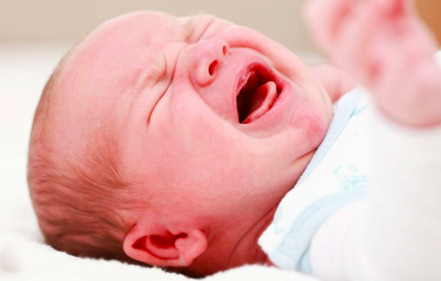
An unusual case of bowel perforation in a 9 month old infant
By Mathew Jacob & Ollapallil Jacob | Volume 3, Issue 2 2012
In Australia, between 2009 and 2010 almost 290 000 cases of suspected child abuse and neglect were reported to Australian state and territory authorities. Child maltreatment may present insidiously, not allowing signs of the maltreatment to be elicited until after a culmination of events. Ms. LW, a 9-month- old Indigenous female, presented to the Alice [...]
Read More →
Download PDF |
Read the full article online
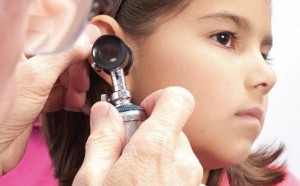
Ear disease in Indigenous Australians: A literature review
By Sarah Hill | Volume 3, Issue 1 2012
Introduction The Australian Indigenous versus non-Indigenous mortality gap is worse in Australia than in any other Organisation for Economic Coopera tion and Development nation with disadvantaged Indigenous populations, including Canada, New Zealand, and the USA. [1] This gap reached a stark peak of seventeen years in 1996-2001. [2] Otitis media affects 80% of Australian children [...]
Read More →
Download PDF |
Read the full article online
Recognition and response to the clinically deteriorating patient
By Glenn Parham | Volume 3, Issue 1 2012
Background: Early recognition of clinical deterioration has been associated with a lower level of intervention and reduced adverse events. A widely-used approach in Australia is the Medical Emergency Team (MET) system. Research suggests having a multi-faceted approach to patient monitoring such as Modified Early Warning Score (MEWS) improves early review. Aim: To assess MET call [...]
Read More →
Download PDF |
Read the full article online
A very good iDEA: The inaugural gathering of the student division of Doctors for the Environment Australia
By Elizabeth O’Brien et al. | Volume 1, Issue 1 2010
In early December 2009, just prior to the much-hyped COP15 round of United Nations climate negotiations in Copenhagen, 40 medical students, representing six states and eleven medical schools, descended upon Melbourne for iDEA, the inaugural gathering for the student division of Doctors for the Environment (DEA). Attendees were encouraged to be mindful of their carbon [...]
Read More →
You can subscribe by e-mail to receive each issue when it's published.